
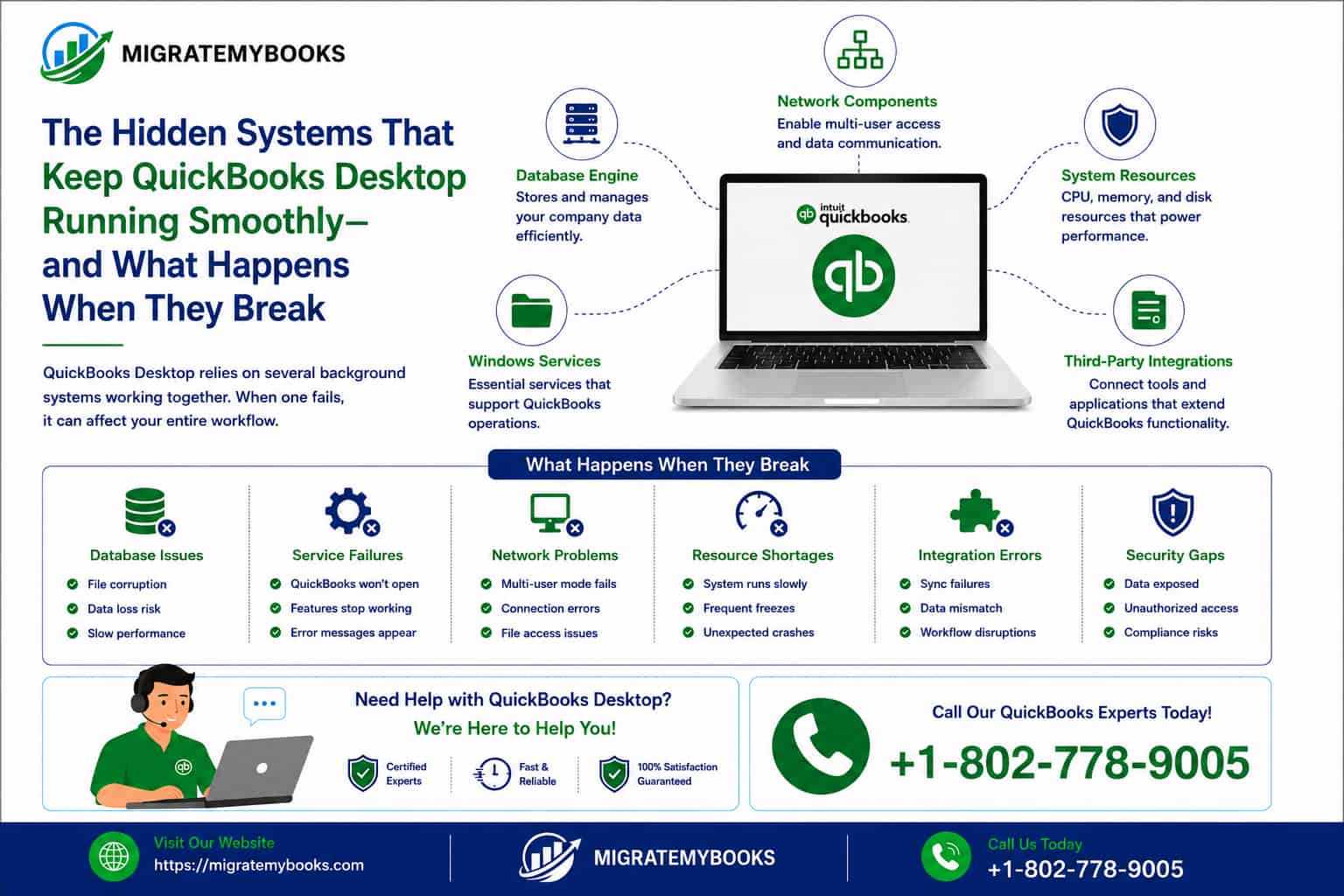
QuickBooks Desktop is not just a standalone accounting application. Behind every invoice, payroll calculation, financial report, and company file operation, multiple systems work together to ensure accurate data processing and reliable performance.
A modern QuickBooks Desktop environment depends on communication between several components, including:
Windows operating system resources
QuickBooks program files
Company files
Database services
Local networks
Security applications
Online services
When these components communicate properly, businesses can manage accounting tasks efficiently. However, when communication between these layers is interrupted, QuickBooks may display errors related to installation, updates, company file access, networking, or online connectivity.
Understanding how QuickBooks Desktop maintains secure communication helps users identify why certain problems occur and how to prevent recurring issues. Instead of viewing errors as isolated problems, businesses can analyze them as indicators of communication failures within the overall accounting environment.
For example:
A company file error may indicate network or permission issues.
An update error may point toward internet communication problems.
A payroll issue may involve online service connectivity.
A database error may reveal hosting or server configuration problems.
This guide explains how QuickBooks Desktop communicates between company files, Windows components, and online services while exploring common challenges and maintenance practices that help create a stable accounting environment.
Understanding the QuickBooks Desktop Communication Framework
QuickBooks Desktop operates through multiple connected layers. Each layer performs a specific role in processing, storing, and transferring accounting information.
The major communication areas include:
QuickBooks Application Layer
The application layer manages the features users interact with daily.
It handles:
Transaction entry
Report generation
Payroll processing
Inventory management
Accounting calculations
The application communicates with other system components to complete different operations.
Company File Layer
The company file is the central storage location for financial information.
It contains:
Customer records
Vendor information
Transaction history
Employee details
Payroll records
Banking information
Financial reports
Every accounting activity depends on proper communication with this file.
If QuickBooks cannot correctly access or communicate with the company file, users may experience errors, slow performance, or inability to open financial data.
Windows System Layer
QuickBooks Desktop relies heavily on Windows components to operate correctly.
Important Windows resources include:
Microsoft .NET Framework
Microsoft Visual C++ components
Windows Installer services
System permissions
Security configurations
These components support:
Program installation
Software updates
File access
Application stability
A damaged or outdated Windows environment can affect QuickBooks communication.
Online Services Layer
Modern QuickBooks Desktop features often connect with online services for:
Software updates
Payroll updates
License verification
Security improvements
Banking integrations
These connections require secure communication protocols to protect financial information.
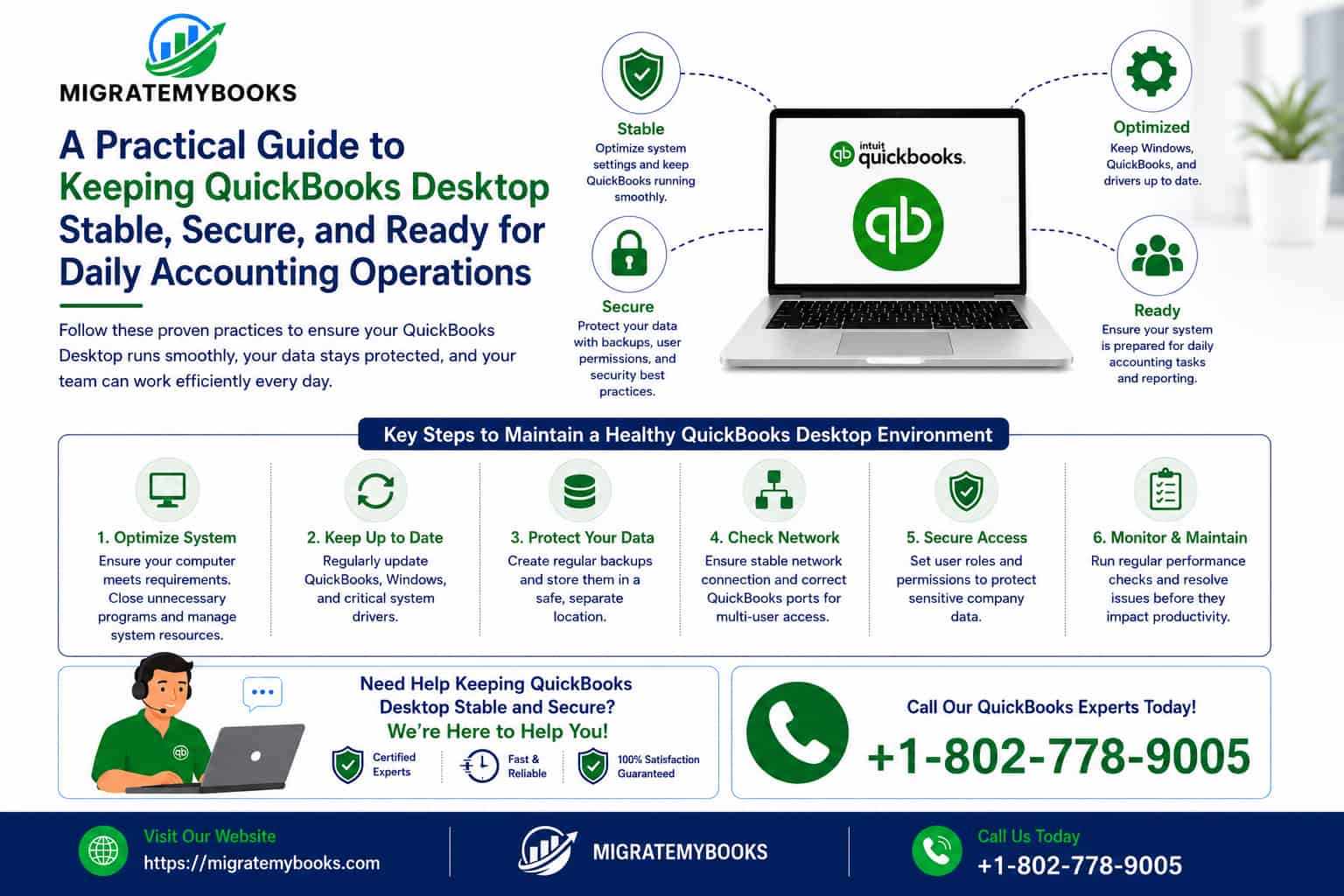
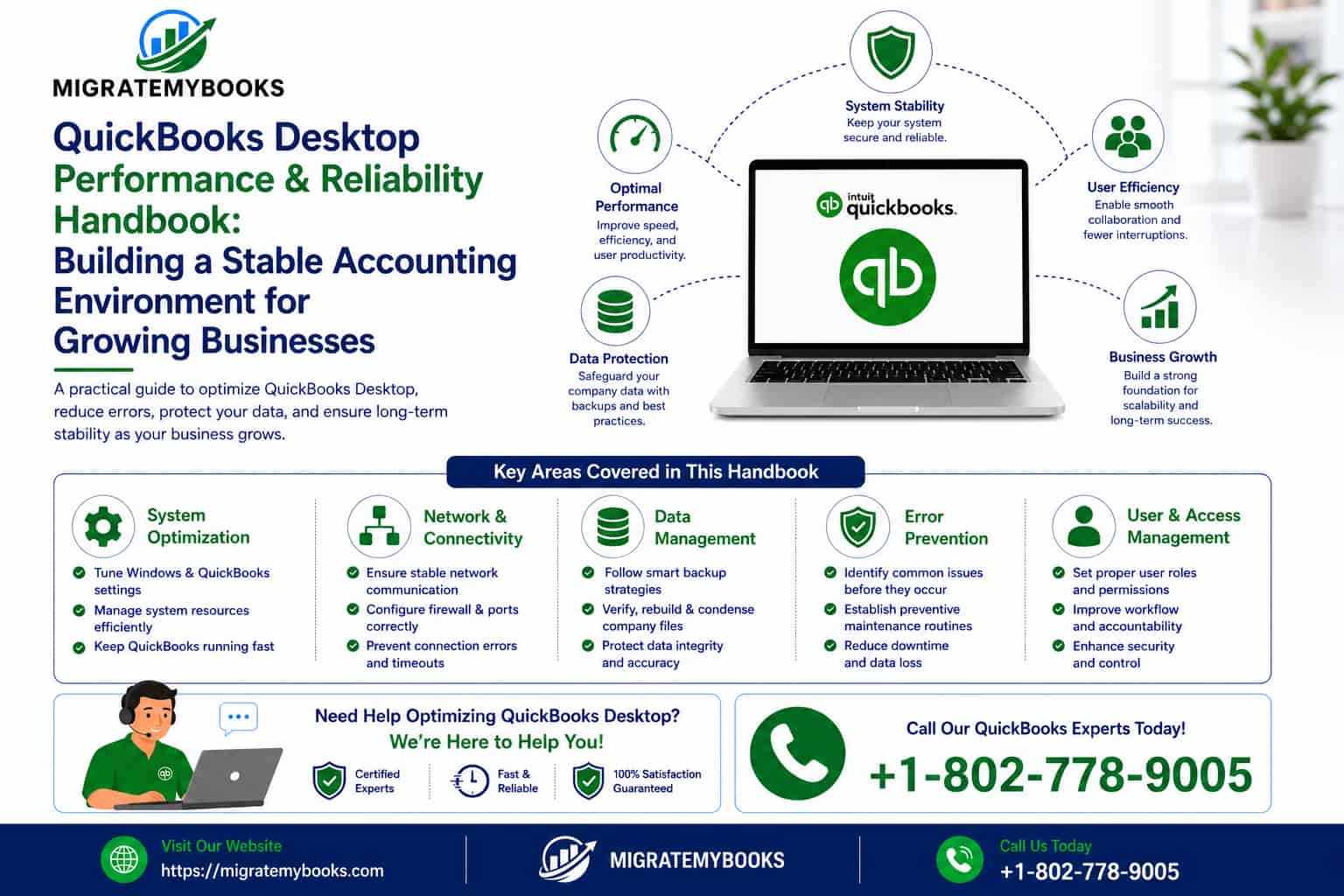
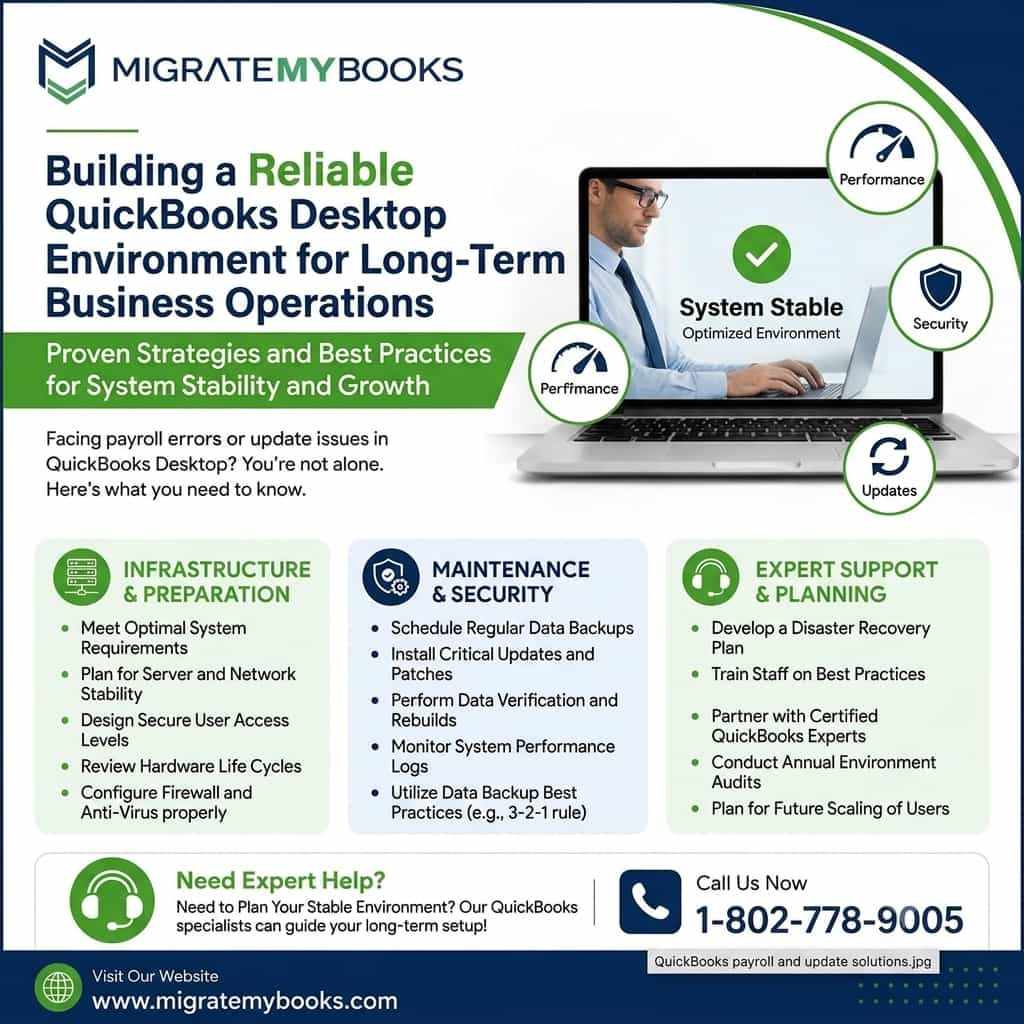
Maintaining secure communication between QuickBooks Desktop, Windows, and online services is only one aspect of keeping an accounting system healthy. Businesses also need a long-term strategy that includes regular software updates, verified company file backups, stable network connectivity, and proper user permissions. These practices form the foundation of Building a Reliable QuickBooks Desktop Environment for Long-Term Business Operations, helping organizations reduce unexpected interruptions, improve system stability, and ensure consistent access to critical financial information.
How QuickBooks Desktop Protects Company File Communication
Company file communication is one of the most important parts of QuickBooks Desktop functionality.
When a user opens a company file, QuickBooks performs several checks:
File Location Verification
QuickBooks confirms that the company file exists in the expected location.
This process checks:
File path accuracy
Network availability
Folder access permissions
Incorrect locations can prevent successful communication.
Permission Validation
QuickBooks verifies whether the user has proper access rights.
Permissions control:
Opening files
Editing transactions
Creating records
Running reports
Incorrect permissions may interrupt normal operations.
Data Integrity Checks
QuickBooks regularly depends on healthy company files.
Problems such as:
File corruption
Interrupted processes
Improper shutdowns
can affect communication between the application and stored financial data.
Understanding how QuickBooks communicates with Windows services, company files, and secure online platforms becomes easier when users develop a broader knowledge of the software ecosystem. Resources such as Mastering QuickBooks Desktop: A Complete Learning Hub for Installation, Updates, Networking, Payroll, and Error Management provide valuable insights into how installation components, update mechanisms, networking configurations, payroll services, and troubleshooting techniques work together to support reliable day-to-day accounting operations.
Company File Access Problems and Communication Failures
When QuickBooks cannot communicate correctly with a company file, users may experience problems such as:
Unable to open company files
Slow file response
Unexpected disconnections
Multi-user access failures
One example is QuickBooks Error 6000 107, which may occur when QuickBooks has difficulty accessing required company file resources.
Possible contributing factors include:
Damaged company file components
Incorrect permissions
Network communication interruptions
File location problems
This type of issue highlights why company file management and system maintenance are essential for reliable accounting operations.
Businesses can reduce company file problems by:
Maintaining regular backups
Using proper storage locations
Reviewing access permissions
Monitoring network performance
The Role of Network Communication in QuickBooks Desktop
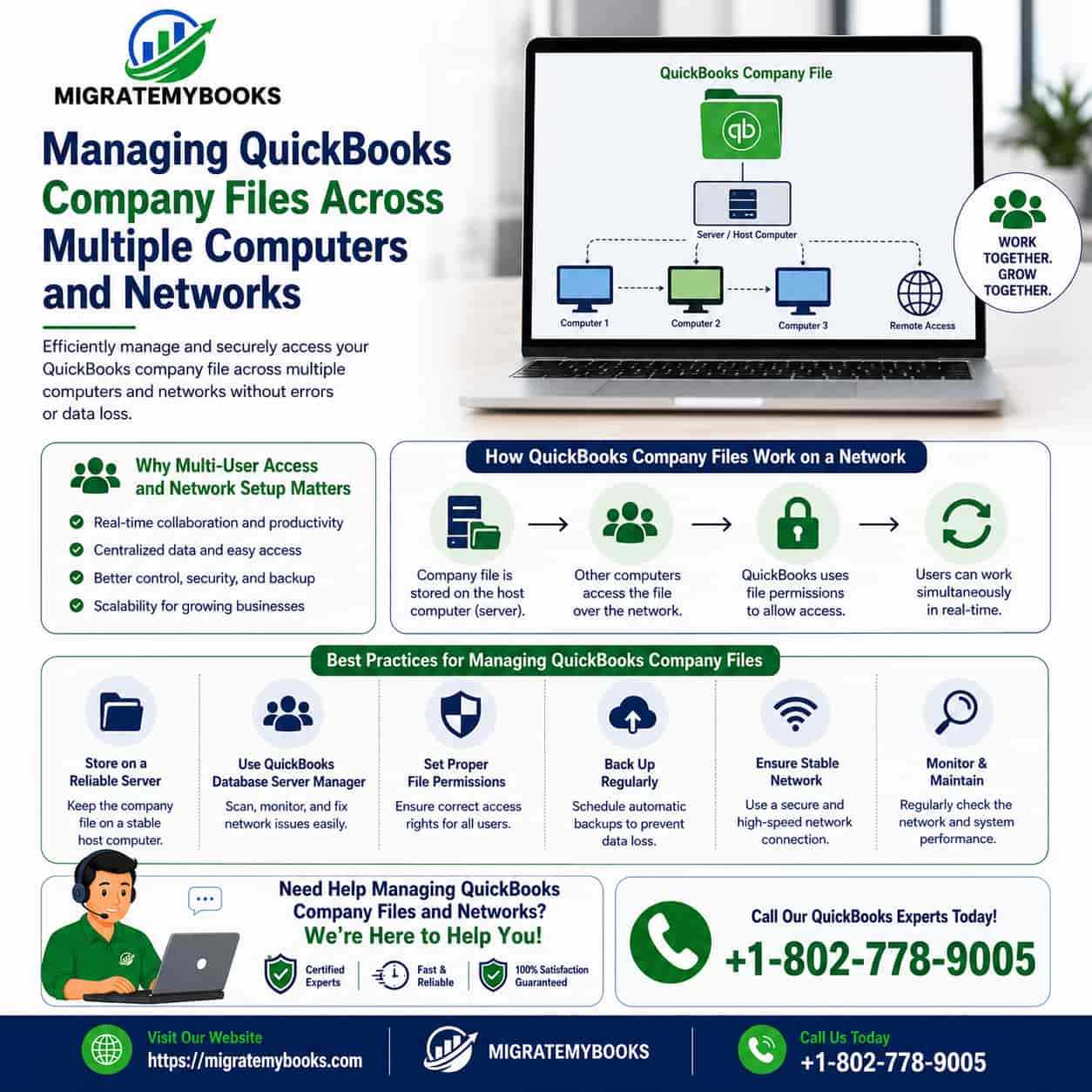
Many organizations use QuickBooks Desktop in multi-user environments where multiple employees access the same company file.
This requires communication between:
Server computer
Workstations
Database Server Manager
Network services
A properly configured network allows users to:
Enter transactions simultaneously
Generate reports
Process payroll
Review financial information
However, network communication problems can interrupt these workflows.
Common causes include:
Firewall restrictions
Incorrect hosting settings
Network instability
Folder permission issues
QuickBooks Database Server Manager and Secure File Sharing
QuickBooks Database Server Manager plays an important role in multi-user environments.
Its responsibilities include:
Hosting company files
Managing network access
Allowing workstation communication
Maintaining database connectivity
When this service does not operate correctly, users may encounter problems accessing shared company files.
A common example is QuickBooks Error 6175 0, which is often associated with communication problems involving the database server.
Possible causes include:
Database Server Manager service issues
Hosting configuration problems
Network communication failures
Security software restrictions
Maintaining proper database server configuration helps ensure reliable multi-user access.
Maintaining Secure Communication Between Local Systems
QuickBooks Desktop must maintain secure communication between:
User computers
Company file locations
Network servers
Windows components
Security depends on several factors:
Firewall Configuration
Firewalls protect systems by controlling network access.
However, incorrect firewall settings may block QuickBooks communication.
Businesses should ensure required QuickBooks processes can communicate properly.
Antivirus Compatibility
Security applications help protect financial data but may sometimes interfere with legitimate QuickBooks processes.
Possible effects include:
Blocked connections
Interrupted updates
Restricted file access
User Permission Management
Proper permissions help balance security and accessibility.
Businesses should:
Provide access only when required
Review user roles regularly
Avoid unnecessary administrative permissions
Understanding QuickBooks Desktop Error Management
QuickBooks Desktop errors are not random messages. Each error code provides information about a specific area where communication, configuration, or system performance may be affected.
A successful troubleshooting approach requires understanding the relationship between:
QuickBooks application files
Windows components
Company file structure
Network configuration
Online communication services
Security settings
Instead of focusing only on the error number, businesses should analyze what the error reveals about the overall health of their accounting environment.
For example:
Installation errors may indicate Windows component problems.
Update errors may reveal connectivity issues.
Company file errors may indicate data access problems.
Database errors may point toward hosting or network configuration issues.
A category-based troubleshooting approach allows users to identify the correct problem area and apply appropriate solutions.
Company File Communication and Data Access Challenges
Company files are the foundation of QuickBooks Desktop operations. Every financial activity depends on proper communication between the application and stored company data.
QuickBooks continuously performs operations such as:
Reading transaction information
Updating account balances
Processing payroll data
Generating reports
Saving financial changes
When communication with the company file is interrupted, users may experience:
Unable to open company files
Missing information
Slow performance
Unexpected disconnections
Secure communication also plays an important role in maintaining data integrity throughout the accounting workflow. From the moment financial information is entered until reports are generated, every stage depends on reliable interaction between program files, company data, and supporting Windows components. Learning How QuickBooks Desktop Processes Accounting Data from Transaction Entry helps users understand why uninterrupted communication is essential for accurate transaction processing, financial reporting, and successful synchronization with connected services.
QuickBooks Error 6177: Company File Path and Location Problems
QuickBooks Error 6177 commonly relates to problems accessing the company file location.
This issue may occur when QuickBooks cannot properly locate or communicate with the file path.
Possible causes include:
Incorrect company file location
Network path configuration issues
Damaged file references
Server communication problems
This error demonstrates why proper file organization and network configuration are important.
Businesses can reduce file access issues by:
Keeping company files in recommended locations
Maintaining correct folder permissions
Verifying network connections
Avoiding unnecessary file movement
QuickBooks Error 6150: Company File Integrity Issues
QuickBooks Error 6150 may occur when QuickBooks experiences difficulty creating or opening a company file.
Possible causes include:
Damaged company files
Incorrect file creation processes
Data corruption
Incomplete file operations
Company file integrity is essential because financial records depend on accurate and accessible data.
Preventive practices include:
Creating regular backups
Verifying company file health
Avoiding forced shutdowns
Maintaining stable storage environments
Database Communication and Multi-User Stability
Businesses using multiple workstations depend on reliable communication between users and the central company file.
A healthy multi-user environment requires:
Correct hosting settings
Proper Database Server Manager configuration
Stable network connections
Appropriate permissions
Common communication problems may appear when:
The server cannot be reached
Hosting settings are incorrect
Security applications block access
Network performance is unstable
Maintaining database communication helps ensure employees can work efficiently without interruptions.
How QuickBooks Desktop Handles Secure Data Exchange
QuickBooks Desktop manages different types of data exchange throughout daily operations.
Examples include:
Local Data Exchange
Communication between:
QuickBooks application
Company files
Database services
Network Data Exchange
Communication between:
Server systems
Workstations
Shared folders
Online Data Exchange
Communication between:
QuickBooks Desktop
Payroll services
Update servers
License verification systems
Each communication layer requires proper security and configuration.
The Relationship Between Errors and Accounting Environment Health
QuickBooks errors often provide valuable information about system weaknesses.
For example:
Repeated Update Errors
May indicate:
Internet instability
Security restrictions
Windows configuration problems
Frequent Company File Errors
May indicate:
Storage problems
Permission issues
Network instability
Payroll Problems
May indicate:
Outdated payroll components
Communication failures
Configuration issues
Understanding these patterns helps businesses move from reactive troubleshooting to proactive maintenance.
Preventive Maintenance for a Secure QuickBooks Environment
Maintaining QuickBooks Desktop requires regular attention across multiple areas.
Keep QuickBooks Desktop Updated
Software updates help improve:
Security
Performance
Compatibility
Reliability
Businesses should install updates regularly to reduce potential issues.
Maintain Windows System Health
Because QuickBooks depends on Windows components, businesses should:
Install operating system updates
Monitor system performance
Maintain required frameworks
Check system stability
A healthy Windows environment creates a stronger foundation for QuickBooks operations.
Perform Regular Company File Backups
Backups protect businesses from unexpected situations such as:
File corruption
Hardware failure
Accidental deletion
System interruptions
A reliable backup strategy should include:
Regular backup schedules
Secure storage locations
Periodic restoration testing
Monitor Network Performance
Network reliability is critical for businesses using:
Multi-user mode
Shared company files
Database Server Manager
Organizations should monitor:
Connection stability
Server performance
Network access permissions
Review Security Settings Regularly
Security tools should protect financial data without blocking legitimate QuickBooks communication.
Businesses should review:
Firewall rules
Antivirus permissions
User access levels
Network security policies
QuickBooks Desktop Migration Best Practices
Moving QuickBooks Desktop data requires careful planning.
A successful migration process includes:
Preparing the Source System
Before migration:
Create verified backups
Check company file integrity
Record current QuickBooks settings
Preparing the Destination System
The new environment should have:
Compatible Windows version
Required QuickBooks installation
Correct security settings
Validating Migrated Data
After migration, businesses should verify:
Account balances
Customer records
Vendor information
Payroll data
Reports
Proper validation ensures accounting accuracy after the transition.
Modern organizations increasingly rely on automation to simplify bookkeeping, payroll processing, bank reconciliation, and financial reporting. These automated features depend on secure communication channels between QuickBooks Desktop and online services to function efficiently. Exploring How Businesses Use Accounting Automation to Reduce Manual Financial Work demonstrates how reliable system connectivity, properly configured security settings, and healthy software environments contribute to faster workflows, improved accuracy, and reduced manual effort across daily accounting tasks.
Building a Future-Ready QuickBooks Environment
As businesses continue adopting digital accounting workflows, QuickBooks Desktop environments will increasingly depend on:
Secure connectivity
Automated processes
Better data management
Improved system monitoring
Organizations that maintain strong technical foundations will experience fewer interruptions and better accounting reliability.
Future improvements may include:
Enhanced automation
Stronger security features
Improved cloud connectivity
Advanced reporting capabilities
Complete QuickBooks Desktop Health Checklist
Businesses should regularly review:
✅ QuickBooks version updates
✅ Windows system updates
✅ Company file backups
✅ Network configuration
✅ Firewall permissions
✅ User access settings
✅ Database Server Manager status
✅ Internet connectivity
✅ Payroll update status
✅ Storage performance
Following this checklist helps maintain a stable accounting environment.
Frequently Asked Questions
Why does QuickBooks Desktop need secure communication?
QuickBooks uses secure communication to exchange information with company files, Windows services, update servers, and online services.
Can network problems cause company file errors?
Yes. Network interruptions, incorrect permissions, and hosting problems can prevent QuickBooks from accessing company files correctly.
Why are Windows components important for QuickBooks?
QuickBooks depends on Windows services and frameworks for installation, updates, security, and application performance.
How can businesses reduce QuickBooks errors?
Businesses can reduce errors through regular updates, backups, network monitoring, security reviews, and proper system maintenance.
Conclusion
QuickBooks Desktop operates through a complex communication environment where company files, Windows components, networks, and online services work together to support daily accounting activities.
Every transaction, payroll calculation, software update, and financial report depends on successful communication between these connected systems. When communication problems occur, QuickBooks errors provide important clues about the health of the accounting environment.
Issues such as QuickBooks Error 12009, QuickBooks Error 6000 107, QuickBooks Error 6177, QuickBooks Error 6150, QuickBooks Error 6175 0, QuickBooks Error 12037, and QuickBooks Error 15227 highlight different areas where communication, configuration, or system maintenance may require attention.
By understanding how QuickBooks Desktop manages secure communication, businesses can improve troubleshooting efficiency, protect financial information, and maintain a more reliable accounting workflow.
A proactive maintenance approach—including regular updates, secure networking, verified backups, proper permissions, and system monitoring—helps organizations create a stable QuickBooks environment that supports accurate financial management and long-term business operations.



Write a comment ...