
QuickBooks Desktop serves as the financial backbone for countless small and medium-sized businesses. It manages invoices, payroll, banking transactions, inventory, tax records, customer accounts, vendor information, and financial reporting from a centralized platform. Because so many daily business operations depend on the software, maintaining a reliable QuickBooks Desktop environment is essential for minimizing downtime, protecting company data, and ensuring uninterrupted accounting workflows.
A dependable QuickBooks environment is not achieved simply by installing the software. Long-term stability depends on multiple factors, including reliable hardware, a properly configured Windows operating system, healthy company files, secure network communication, regular software updates, and proactive maintenance practices. Even minor issues such as unstable internet connectivity, insufficient storage space, outdated Microsoft components, or incorrect permissions can gradually affect software performance and lead to unexpected interruptions.
Businesses that invest time in preventive maintenance experience fewer technical issues, improved system responsiveness, and greater confidence that their financial data remains protected. Rather than waiting for errors to appear, organizations should build an environment that supports QuickBooks Desktop throughout its entire lifecycle.
This educational guide explains the key components of a healthy QuickBooks Desktop environment, best practices for maintaining long-term stability, and strategies for reducing common software, network, and company file issues.
Why a Reliable QuickBooks Desktop Environment Matters
Accounting software is expected to operate consistently every day. Whether processing payroll, reconciling bank accounts, creating invoices, or generating financial reports, businesses rely on QuickBooks Desktop to produce accurate information without interruptions.
A stable environment offers several important benefits:
Improved application performance
Faster company file access
Better database reliability
Reduced risk of data corruption
More efficient collaboration in multi-user environments
Fewer unexpected software crashes
Higher productivity for accounting teams
When QuickBooks operates in a properly maintained environment, businesses spend less time troubleshooting technical problems and more time focusing on financial management.
Risks of an Unstable QuickBooks Environment
Small technical issues often develop gradually before becoming significant problems.
Common consequences include:
Slow software performance
Delayed report generation
Company file access failures
Interrupted payroll processing
Incomplete software updates
Network communication issues
Unexpected application freezes
Many of these situations can be avoided through regular maintenance and proper system configuration.
Choosing the Right Hardware for QuickBooks Desktop
QuickBooks Desktop performs numerous database operations while processing financial transactions. Adequate processing power helps the software respond quickly to user requests, especially in larger company files or multi-user environments.
Modern multi-core processors combined with sufficient RAM provide smoother navigation, faster searches, and quicker report generation.
Businesses with growing accounting databases should periodically evaluate whether existing hardware continues to meet operational requirements.
Why Solid-State Drives Improve Performance
Storage speed has a direct impact on QuickBooks performance.
Using Solid-State Drives (SSDs) instead of traditional hard drives provides advantages such as:
Faster company file loading
Improved backup performance
Reduced application startup time
Faster report generation
Better database responsiveness
Reliable storage also lowers the risk of data loss caused by aging mechanical drives.
Reliable Network Infrastructure
Organizations using Multi-User Mode require dependable network communication.
A stable infrastructure includes:
Business-grade routers
Reliable switches
Quality Ethernet cabling
Stable internet connectivity
Proper server configuration
Consistent network performance improves communication between workstations and the QuickBooks Database Server Manager.
Configuring Windows for Better QuickBooks Performance
Windows updates provide important security improvements, performance enhancements, and compatibility fixes.
Keeping Windows current helps QuickBooks interact correctly with Microsoft components while reducing software conflicts.
Use Administrator Permissions
Certain QuickBooks operations require elevated privileges.
Administrative permissions assist with:
Software installation
Program updates
Payroll updates
Company file management
System configuration
Running QuickBooks with appropriate permissions reduces installation and update complications.
Configure User Account Control
User Account Control (UAC) protects Windows from unauthorized changes while allowing trusted applications to function properly.
Balancing security with application accessibility helps QuickBooks perform required administrative operations without unnecessary interruptions.
Install Required Microsoft Components
QuickBooks depends on several Microsoft technologies, including:
Microsoft .NET Framework
Microsoft MSXML
Microsoft Visual C++
Windows Installer
Keeping these components updated improves compatibility and reduces installation-related issues.
Creating a Healthy Company File Environment
The company file represents the most valuable asset within QuickBooks Desktop.
Businesses should:
Store files on reliable storage devices
Avoid frequently moving company files
Use consistent folder structures
Restrict unnecessary access
Proper organization reduces confusion and improves long-term reliability.
Organize Shared Folders
For businesses operating in Multi-User Mode, shared folders should remain organized and consistently available.
Administrators should verify:
Folder permissions
Network accessibility
Consistent file locations
Reliable hosting configuration
Stable shared storage improves database communication across the network.
Monitor Company File Size
As businesses grow, company files naturally increase in size.
Large databases may affect:
Opening speed
Backup duration
Search performance
Reporting efficiency
Periodic monitoring helps administrators recognize when optimization may be beneficial.
Run Verify Data and Rebuild Data
QuickBooks provides built-in utilities that help maintain company file integrity.
These tools identify and repair:
Damaged indexes
Missing references
Database inconsistencies
Structural problems
Routine verification reduces the likelihood of long-term database issues.
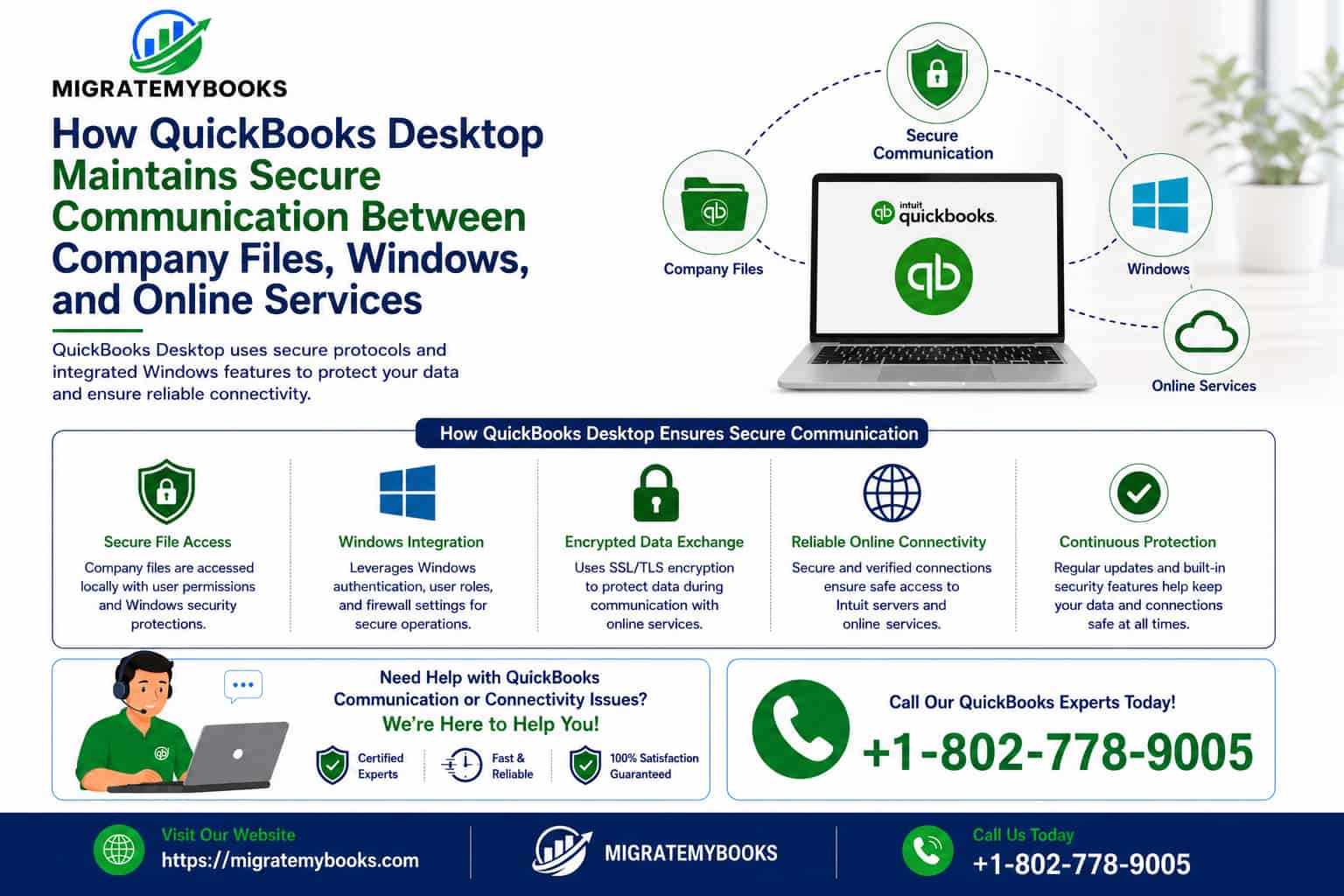
Before implementing any long-term maintenance strategy, it's helpful to understand How QuickBooks Desktop Validates Company Files Before Opening Them and why this process plays such an important role in protecting business data. Each time a company file is opened, QuickBooks performs internal validation checks to verify database integrity, file structure, transaction relationships, and indexing consistency. These automated checks help detect potential issues before users begin working, reducing the risk of data corruption, reporting inaccuracies, or unexpected application failures. Understanding this validation process allows businesses to appreciate how preventive system checks contribute to a more reliable accounting environment.
Maintaining Stable Internet and Network Connectivity
A reliable QuickBooks Desktop environment depends on more than a healthy computer. Many core features—including software updates, payroll downloads, license verification, online banking, and multi-user collaboration—require dependable network and internet connectivity. Even short communication interruptions can delay important business tasks or prevent QuickBooks from completing critical processes.
Maintaining stable connectivity helps ensure that QuickBooks can communicate with Intuit services, synchronize payroll information, and provide uninterrupted access to shared company files.
Why Internet Stability Matters
QuickBooks Desktop uses secure internet communication for several background operations.
These include:
Downloading software updates
Installing payroll tax table updates
License verification
Product registration
Online banking connections
Connected services authentication
An unstable internet connection may interrupt these operations before they complete successfully.
Businesses should regularly monitor:
Connection reliability
Network speed
Router performance
DNS configuration
Internet service availability
Reliable internet access improves both software stability and overall productivity.
Configuring Firewalls Correctly
Firewalls are designed to protect computers by controlling incoming and outgoing network traffic. However, if QuickBooks communication ports are blocked, the application may struggle to connect with Intuit servers or shared company files.
Proper firewall configuration should allow:
QuickBooks Desktop
Database Server Manager
Update services
Payroll services
Company file communication
Correct firewall settings improve security while supporting uninterrupted QuickBooks operations.
Managing Antivirus Software
Antivirus applications monitor system activity to detect threats. Occasionally, they may mistakenly restrict QuickBooks processes.
Businesses should verify that antivirus software does not unnecessarily block:
Program updates
Company file communication
Database services
Temporary QuickBooks files
Payroll downloads
Maintaining appropriate exclusions helps QuickBooks function normally without compromising system security.
Maintaining Multi-User Connections
Businesses using Multi-User Mode should continuously monitor network communication between workstations and the hosting computer.
Reliable communication depends on:
Stable network hardware
Correct hosting configuration
Proper folder permissions
Healthy Database Server Manager services
Maintaining these components helps reduce connection interruptions while improving database consistency.
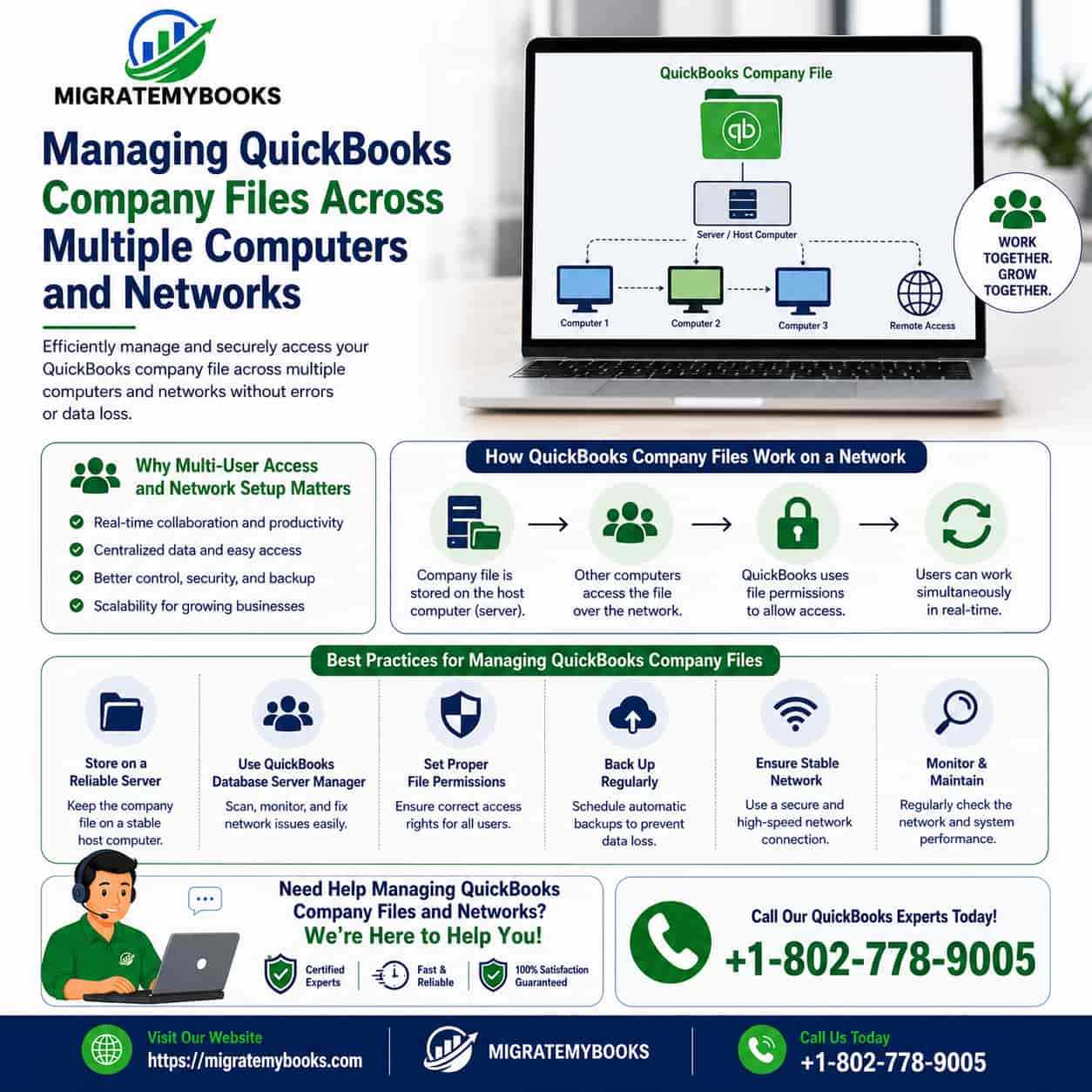
Another essential aspect of maintaining long-term stability is understanding How QuickBooks Desktop Monitors Multi-User Connections and Network Stability in shared environments. When multiple users access the same company file, QuickBooks continuously monitors database communication, server availability, shared folder access, and network responsiveness to ensure synchronized data access. Stable network performance minimizes interruptions, prevents company file conflicts, and supports seamless collaboration between accounting teams. By combining healthy company file validation with reliable multi-user network monitoring, businesses can significantly improve the overall performance, security, and long-term reliability of their QuickBooks Desktop environment.
Best Practices for QuickBooks Software Updates
QuickBooks Desktop updates provide new features, security improvements, bug fixes, and compatibility enhancements. Installing updates regularly helps maintain software reliability while ensuring compatibility with current Windows versions and online services.
Keep QuickBooks Desktop Updated
Running outdated software increases the likelihood of compatibility problems.
Regular updates improve:
Application stability
Security
Performance
Error prevention
Feature reliability
Businesses should establish a regular update schedule rather than delaying important releases.
Install Payroll Updates Promptly
Payroll updates contain current tax rates, payroll calculations, compliance changes, and service improvements.
Delaying payroll updates may affect:
Tax calculations
Employee payroll processing
Government reporting
Payroll liabilities
Installing payroll updates soon after release helps maintain accurate payroll records.
Verify Downloads Before Installation
QuickBooks validates downloaded update packages before installation.
The software checks:
File integrity
Digital signatures
Version compatibility
Download completeness
These verification processes reduce the risk of installing damaged or incomplete update files.
Schedule Updates During Non-Business Hours
Installing updates while employees are actively using QuickBooks may interrupt accounting work.
Businesses often schedule updates:
After office hours
During weekends
Before daily operations begin
During planned maintenance windows
Scheduling updates strategically minimizes operational disruptions.
Understanding Common Update-Related Errors
QuickBooks monitors every stage of the update process, including communication with Intuit servers, download verification, installation, and payroll validation. If one of these stages is interrupted, the software may display a specific error code to help identify the source of the problem.
These errors should be viewed as indicators of underlying connectivity or configuration issues rather than isolated software failures.
QuickBooks Error 12009
When QuickBooks cannot establish a reliable connection with Intuit's online services, users may encounter QuickBooks Error 12009. This situation is commonly associated with firewall restrictions, incorrect internet settings, proxy configurations, or temporary network interruptions.
Understanding this type of communication issue highlights the importance of maintaining stable internet connectivity and correctly configured network security settings.
QuickBooks Error 12037
QuickBooks Error 12037 generally indicates that QuickBooks encountered communication problems while downloading software or payroll updates. SSL configuration issues, blocked connections, or unstable internet service may prevent update packages from downloading successfully.
Businesses that routinely verify network health and keep Windows communication settings updated are less likely to experience this type of interruption.
QuickBooks Payroll Update Error PS032
Payroll updates require additional verification before installation because they affect tax calculations and employee compensation. If QuickBooks cannot validate payroll information correctly, QuickBooks Payroll Update Error PS032 may occur.
Possible contributing factors include:
Payroll subscription validation issues
Damaged update files
Incorrect billing information
Incomplete update installation
Installing payroll updates promptly and maintaining healthy internet connectivity helps reduce these risks.
Protecting Company Files from Data Loss
A reliable QuickBooks environment includes a comprehensive backup strategy. While preventive maintenance reduces software problems, backups provide protection against unexpected events such as hardware failures, accidental deletion, ransomware attacks, or database corruption.
Create Regular Backups
Businesses should schedule automatic backups at regular intervals to ensure that current accounting information is always protected.
Backups should be created:
Daily for active businesses
Before software upgrades
Before major imports
Before database repairs
Prior to system migration
Frequent backups reduce recovery time if unexpected problems occur.
Store Backups in Multiple Locations
Following the 3-2-1 backup principle improves data security:
Three copies of important data
Two different storage media
One off-site or cloud-based backup
Multiple backup locations reduce the impact of hardware failures or local disasters.
Test Backup Restoration
Creating backups alone is not enough. Businesses should periodically verify that backup files can be restored successfully.
Testing confirms:
Backup integrity
File completeness
Recovery readiness
Disaster preparedness
A verified backup provides confidence that accounting operations can resume quickly after an unexpected event.
Protect Against Power Failures
Unexpected power interruptions can damage company files while QuickBooks is actively writing data.
Businesses should consider:
Uninterruptible Power Supplies (UPS)
Reliable surge protection
Automatic system shutdown procedures
Protecting hardware from electrical interruptions helps maintain database consistency.
Preventing Common Company File Problems
A healthy QuickBooks Desktop environment depends heavily on the condition of the company file. Since the company file contains all accounting records, payroll information, customer and vendor details, inventory, and financial reports, protecting its integrity should be a top priority for every business.
Many company file problems develop gradually due to improper system maintenance, unstable network communication, storage issues, or unexpected shutdowns. By adopting preventive practices, businesses can significantly reduce the likelihood of file corruption and improve overall software reliability.
Close QuickBooks Properly
QuickBooks continuously writes information to the company file while users work. Closing the application correctly allows all pending database operations to finish before Windows shuts down.
Businesses should avoid:
Force-closing QuickBooks through Task Manager
Turning off the computer while QuickBooks is running
Restarting Windows during active accounting sessions
Proper shutdown procedures help maintain database consistency and reduce the risk of incomplete transactions.
Monitor Storage Device Health
The performance and reliability of the storage device directly affect company file stability.
Administrators should periodically review:
Available disk space
Drive health status
File system errors
SSD or hard drive performance
Replacing aging storage devices before failure helps protect valuable accounting information.
Maintain Consistent Network Communication
Businesses using Multi-User Mode rely on continuous communication between workstations and the host computer.
To maintain stable communication:
Use wired Ethernet connections whenever possible
Keep network hardware updated
Minimize unnecessary network changes
Verify shared folder accessibility
Monitor Database Server Manager performance
Reliable connectivity reduces the risk of interrupted transactions and database inconsistencies.
Educate Users on Safe QuickBooks Practices
Many technical issues can be prevented through proper user training.
Employees should understand how to:
Exit QuickBooks correctly
Avoid opening the same company file from multiple locations
Report unusual error messages promptly
Perform backups before major changes
Install updates only with appropriate permissions
Consistent user practices contribute to a healthier accounting environment.
Understanding Company File Access Errors
Although a well-maintained environment minimizes problems, QuickBooks may occasionally detect issues when opening or accessing company files. These error codes often indicate underlying file, network, or permission-related conditions rather than isolated software failures.
QuickBooks Error 6000, 82
QuickBooks Error 6000, 82 is commonly associated with difficulties accessing a company file stored locally or on a network. Factors such as damaged file paths, permission conflicts, unstable communication, or storage issues may contribute to this condition.
Maintaining reliable file locations, stable network connections, and routine company file verification helps reduce the likelihood of encountering this type of error. Preventive maintenance is often more effective than reactive troubleshooting because it addresses the conditions that commonly lead to file access interruptions.
QuickBooks Error 6000, 83
QuickBooks Error 6000, 83 generally occurs when QuickBooks cannot properly locate or access a company file after it has been moved, restored, or migrated to another location. Incorrect folder permissions, incomplete migrations, or hosting configuration issues can all contribute to this problem.
Businesses that maintain consistent file storage practices, verify shared folder permissions, and carefully plan company file migrations are less likely to experience these interruptions during normal accounting operations.
Establishing a Long-Term Maintenance Routine
Preventive maintenance should become part of a business's regular operational schedule. Small routine tasks performed consistently are far more effective than attempting major repairs after serious issues develop.
Weekly Maintenance Tasks
Every week, administrators should:
Confirm scheduled backups completed successfully
Review available storage space
Check server and workstation performance
Verify network connectivity
Monitor QuickBooks responsiveness
These routine checks help identify developing issues before they affect users.
Monthly Maintenance Tasks
Each month, businesses should:
Install QuickBooks Desktop updates
Apply Windows updates
Review user permissions
Run Verify Data
Clean temporary files
Confirm antivirus compatibility
Monthly maintenance improves software stability while reducing compatibility issues.
Quarterly Maintenance Tasks
Every few months, organizations should:
Test backup restoration procedures
Review firewall configurations
Evaluate network performance
Inspect storage hardware
Review user access policies
Audit company file organization
Quarterly reviews strengthen long-term system reliability.
Building a Disaster Recovery Plan
Even well-maintained systems may occasionally experience unexpected failures. A documented disaster recovery plan helps businesses resume operations quickly while minimizing financial disruption.
Prepare for Hardware Failures
Hardware components eventually wear out.
Businesses should prepare by:
Maintaining spare storage devices
Replacing aging hardware proactively
Monitoring server health
Keeping warranty information current
Planning ahead minimizes unexpected downtime.
Prepare for Network Outages
Network failures can interrupt access to shared company files.
Recovery planning should include:
Alternative internet connectivity
Backup networking equipment
Emergency communication procedures
Temporary single-user operation plans
These preparations improve operational resilience.
Test Recovery Procedures
Recovery plans should not exist only on paper.
Businesses should periodically verify:
Backup restoration
Company file accessibility
Server recovery
User access procedures
Testing ensures that recovery steps work when they are actually needed.
Document Recovery Processes
A written recovery guide should include:
Backup locations
Administrator contacts
QuickBooks license information
Server configuration details
Recovery priorities
Step-by-step restoration procedures
Clear documentation reduces confusion during unexpected events.
Best Practices for Long-Term QuickBooks Stability
Organizations seeking long-term reliability should consistently follow these recommendations:
Keep QuickBooks Desktop updated.
Install Windows updates regularly.
Maintain Microsoft .NET Framework and MSXML components.
Create automated backups.
Verify company file integrity frequently.
Store company files in secure locations.
Monitor network performance.
Maintain healthy storage devices.
Configure firewalls correctly.
Review user permissions periodically.
Educate employees on proper QuickBooks usage.
Test disaster recovery procedures regularly.
These proactive measures help create a stable accounting environment that supports uninterrupted business operations year after year.
Conclusion
Building a reliable QuickBooks Desktop environment requires more than installing accounting software. Long-term success depends on maintaining healthy hardware, configuring Windows correctly, protecting company files, securing reliable network communication, installing software updates promptly, and following consistent preventive maintenance practices.
Businesses that prioritize system health benefit from improved performance, stronger data protection, fewer interruptions, and greater confidence in their financial information. By combining routine maintenance with sound backup strategies and careful network management, organizations can significantly reduce the likelihood of company file problems, update failures, and operational downtime.
Rather than reacting to technical issues after they occur, creating a dependable QuickBooks Desktop environment allows businesses to focus on growth while maintaining accurate, secure, and reliable accounting records.
Frequently Asked Questions
1. Why is a reliable QuickBooks Desktop environment important?
A reliable environment helps protect financial data, reduce downtime, improve software performance, and support uninterrupted accounting operations.
2. How often should QuickBooks Desktop be updated?
Businesses should install software updates whenever stable releases become available and schedule payroll updates promptly to maintain compliance and compatibility.
3. What is the purpose of Verify Data and Rebuild Data?
These built-in utilities help identify and repair database inconsistencies, damaged indexes, and structural issues within QuickBooks company files.
4. How can businesses reduce company file problems?
Regular backups, healthy storage devices, proper shutdown procedures, stable network communication, and routine maintenance significantly reduce company file risks.
5. What should be included in a QuickBooks disaster recovery plan?
A complete recovery plan should include verified backups, restoration procedures, administrator contacts, server information, recovery priorities, and documentation for restoring business operations quickly.
Final Takeaway
A dependable QuickBooks Desktop environment is built through proactive maintenance—not reactive repairs. Businesses that invest in reliable hardware, secure networking, regular updates, verified backups, and routine company file maintenance create a stable accounting system that supports long-term operational success while minimizing the risk of data loss, software interruptions, and costly downtime.



Write a comment ...